DC Heroes UNITED
Studio
Genvid Entertainment
Type
Mobile Game
Client/Partner
DC Comics • Warner Bros
Role
Design Lead • Art Direction • UX/UI • Motion
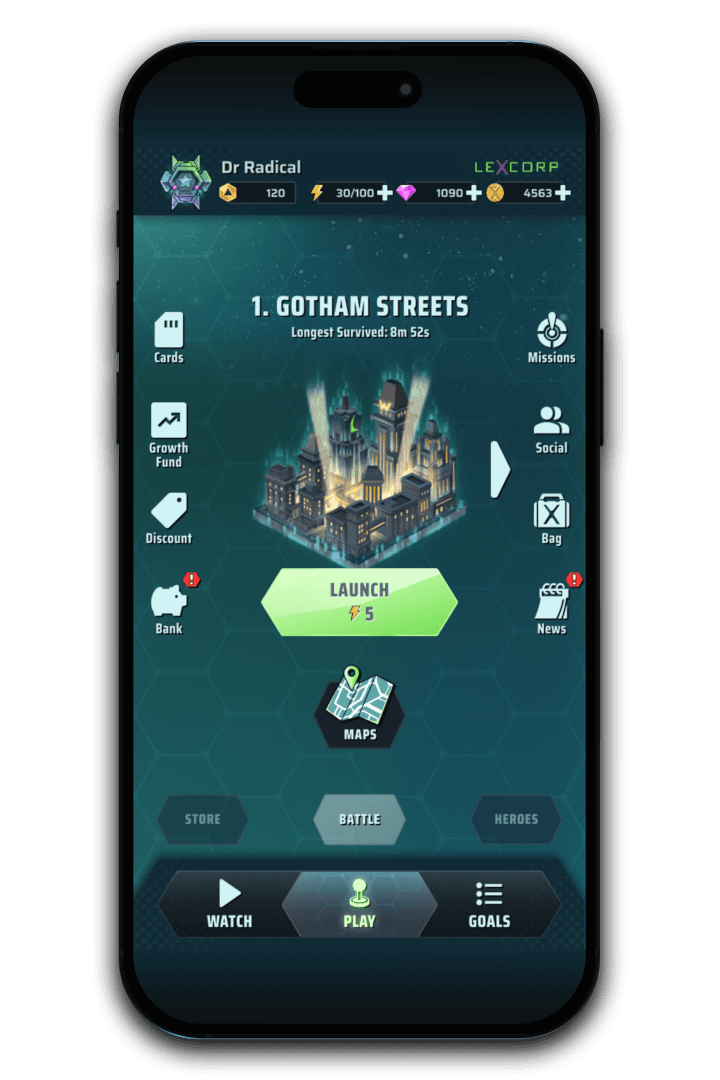
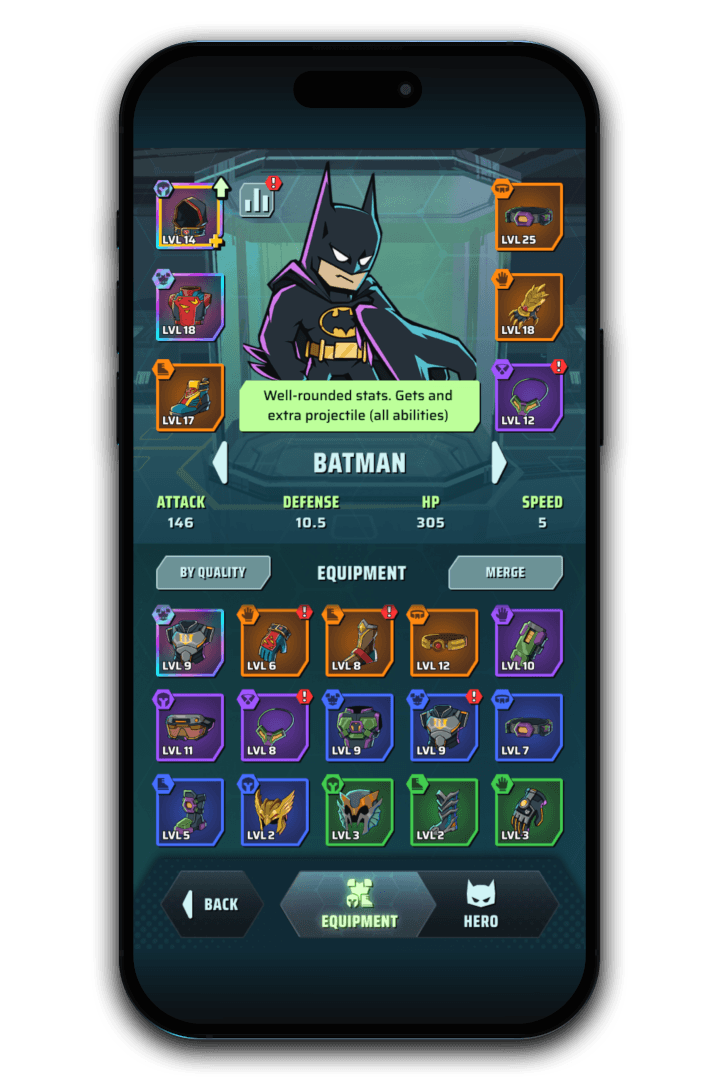
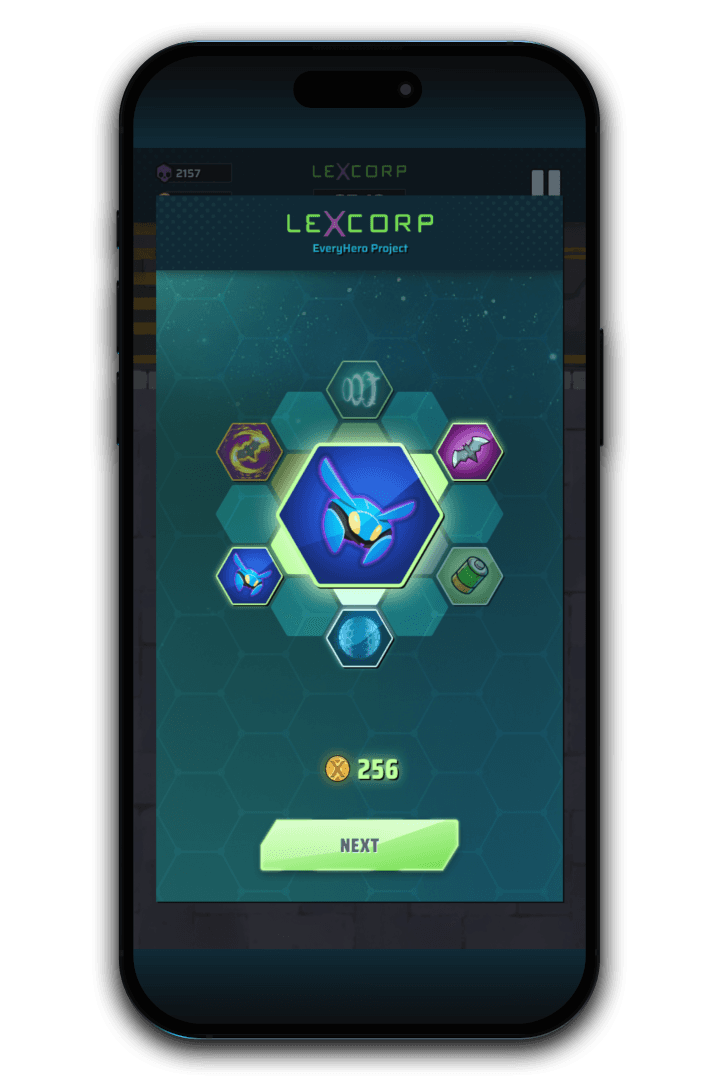
The Challenge
Designing a scalable system for a live multiplayer superhero experience
Unlike a traditional game with a fixed feature set, DC Heroes United combined live interactive storytelling, gameplay, progression systems, and community participation. Evolved from the concept of SILENT HILL: Ascension and now incorporating gameplay, features evolved alongside production to support the game, requiring the design, animation and game systems to accommodate changing requirements without sacrificing usability or visual direction.
Players needed to understand complex mechanics immediately, engineering teams needed plug-n-play components and data structures, art teams needed scalable workflows. The entire team needed systems that could evolve over multiple events without requiring constant redesign.
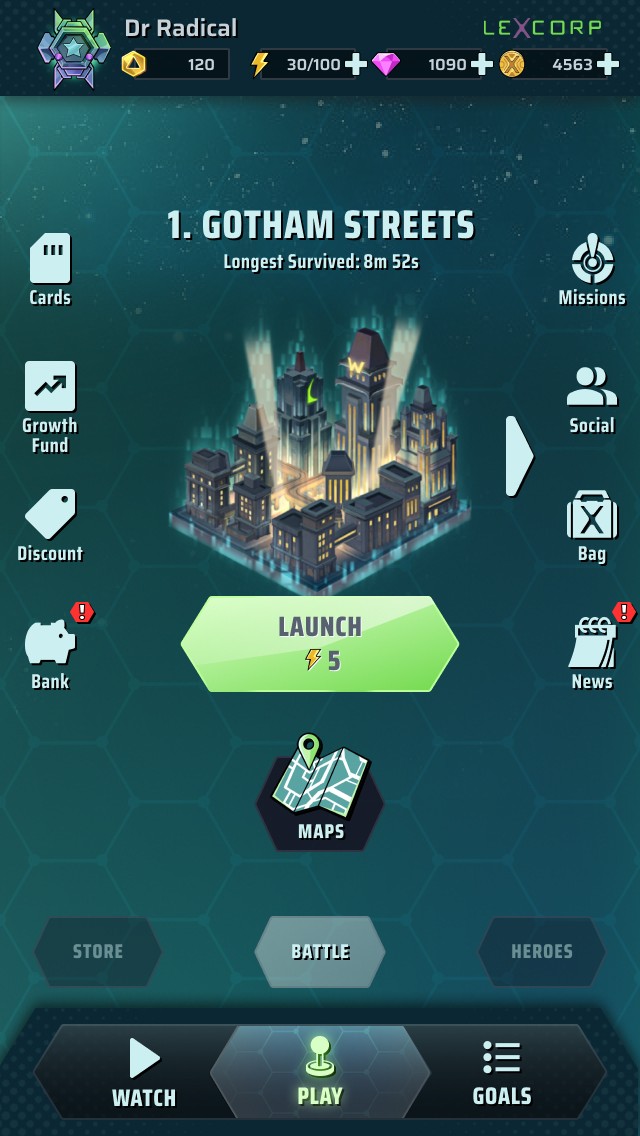
My Role
Defining product direction
beyond the interface
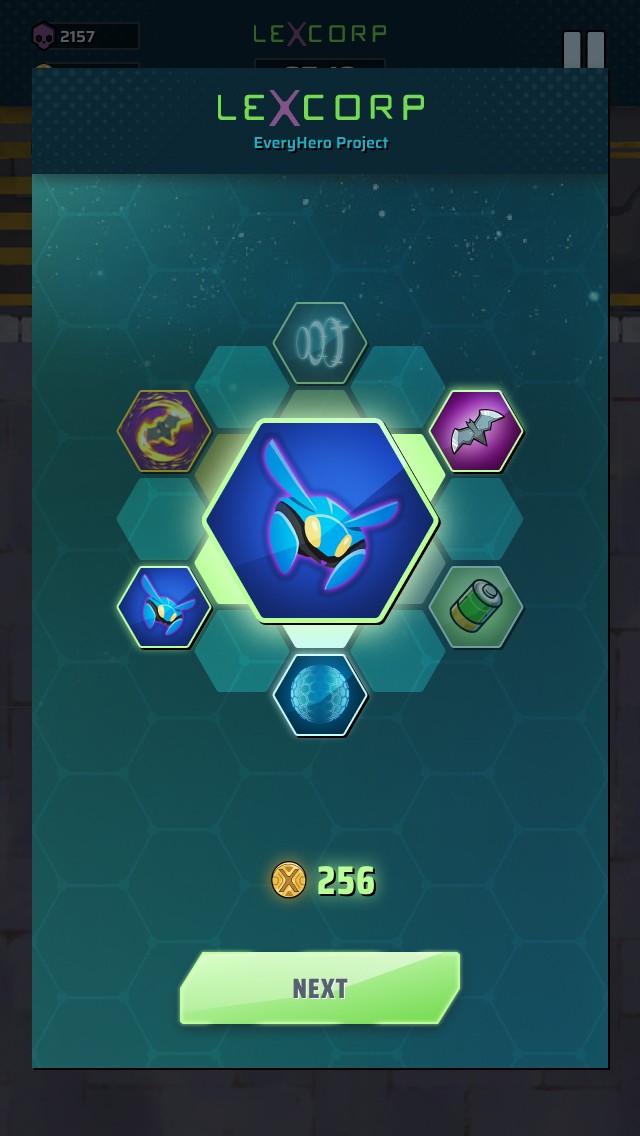
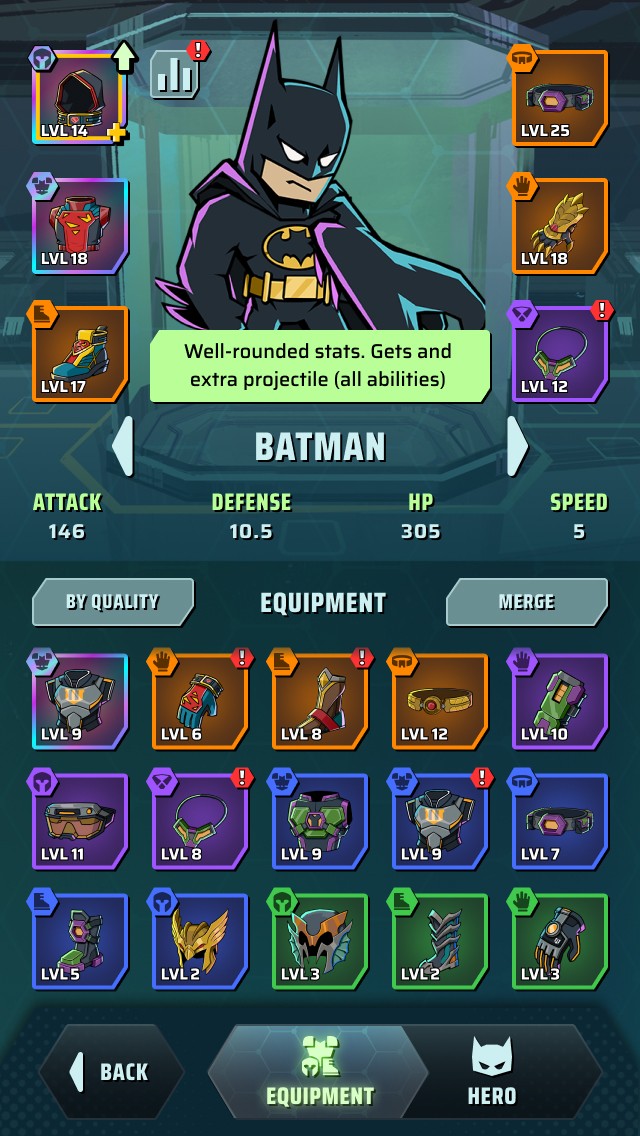
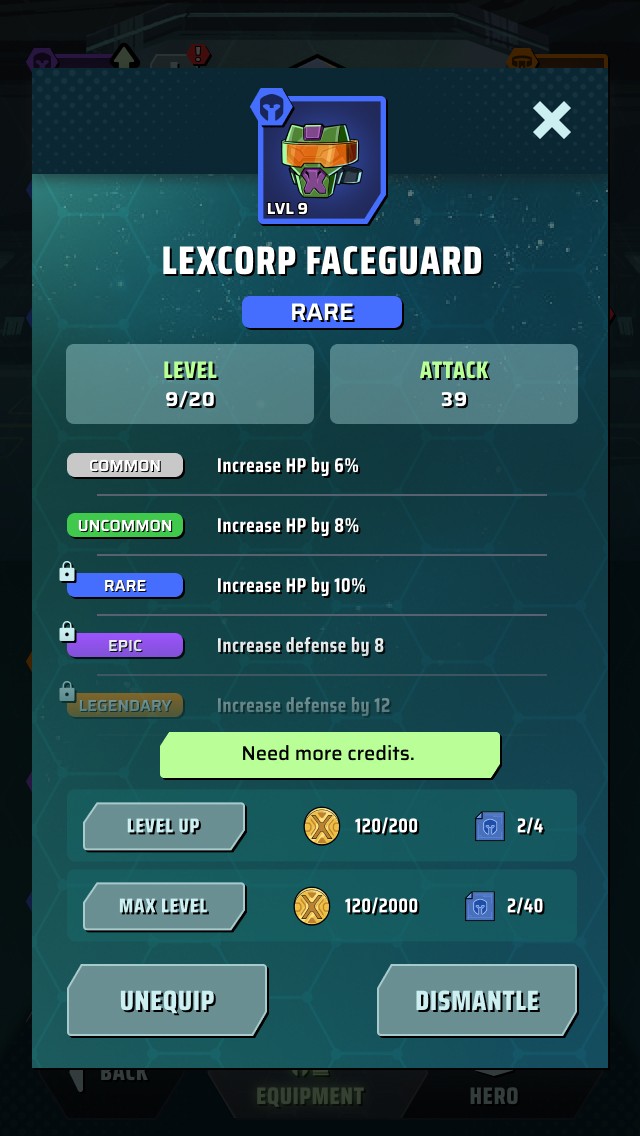
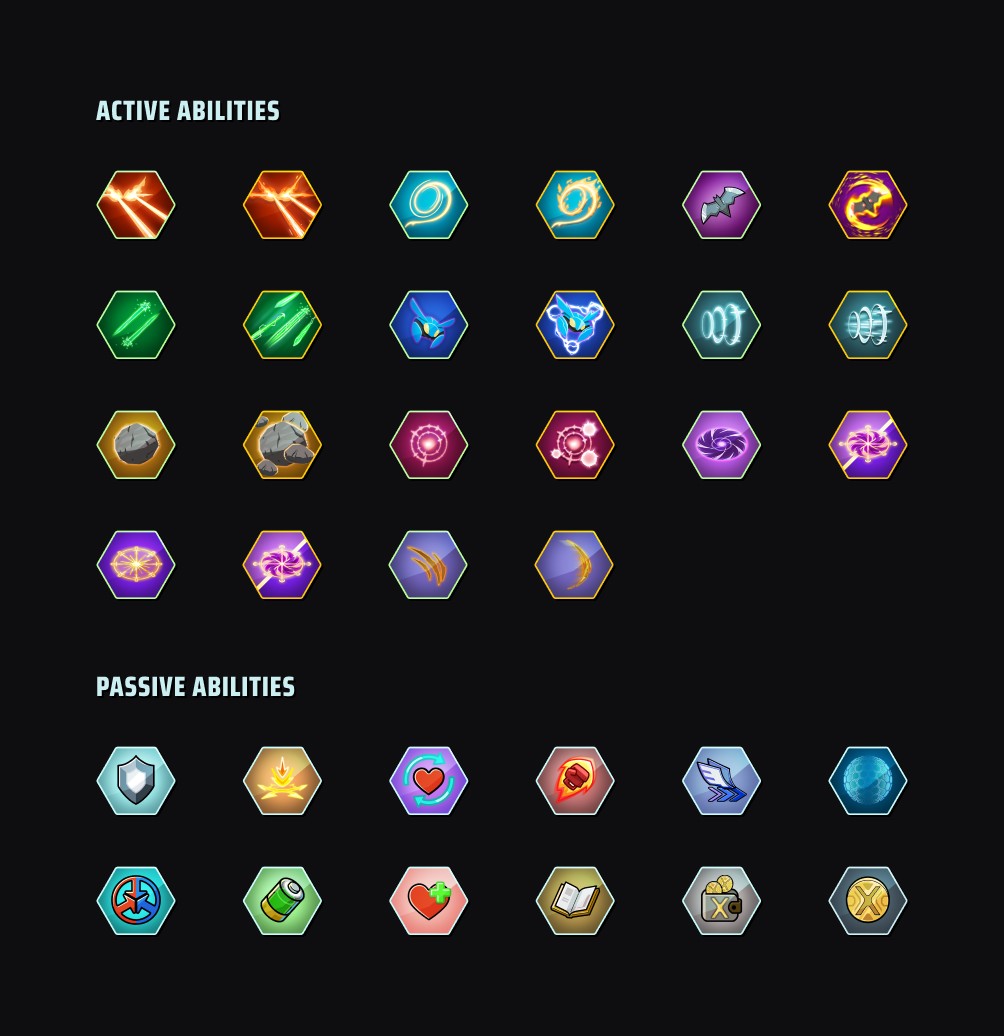
I owned end-to-end build of DC Heroes United's UI, motion, and interaction systems, from concept through final implementation and live-ops, including character ability UI, progression systems, live-ops content interfaces, and animation. I partnered with the UX/UI Director and UX designers on overall product alignment, stakeholder presentation, and the streaming integration layer, while personally driving the hands-on design and execution of every player-facing interaction and animation in the game.
I worked closely with engineers to balance ambition against technical constraints, making sure implementations were not only feasible, but optimized and efficient. I also led an external remote team of artists to ensure art complemented the overall visual identity rather than compete with it.
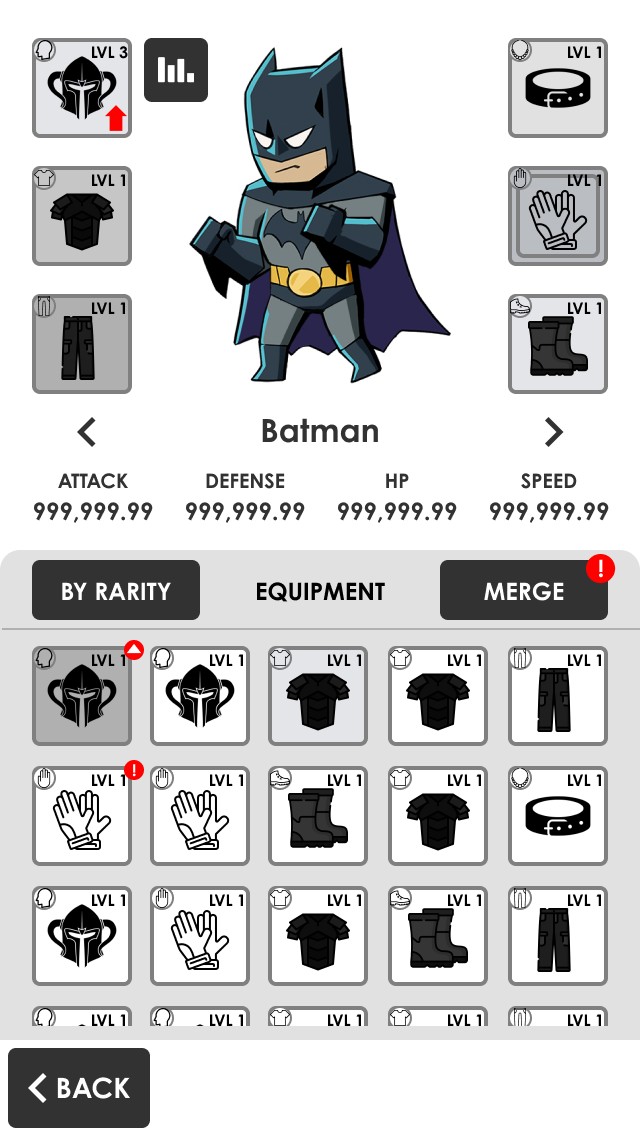
As the product matured, I established reusable design patterns, animation workflows, implementation structures and documentation that allowed multiple engineers and artists to contribute independently and consistently while reducing implementation overhead.

Collaboration
Building alignment
across disciplines
The project required daily collaboration across design, art, engineering, gameplay, narrative, production, and external partners DC Comics and Warner Bros.
Rather than treating UI and art as downstream deliverables, I involved stakeholders early and often through prototypes, design reviews, and collaborative workshops to think through and resolve problems before implementation.
Most importantly was involving multiple teams with art requirements as it related to animation, game design, engineering and data structure, gameplay and character mechanics, progression systems, and production schedules.
This reduced iteration cycles considerably and created shared ownership of product decisions across the team.


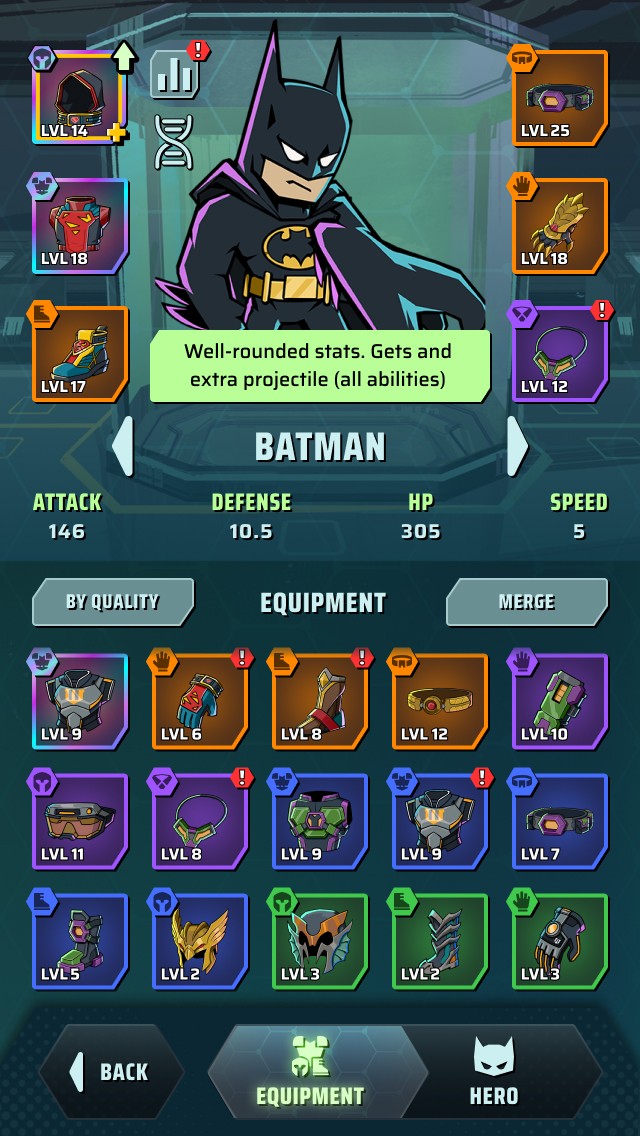
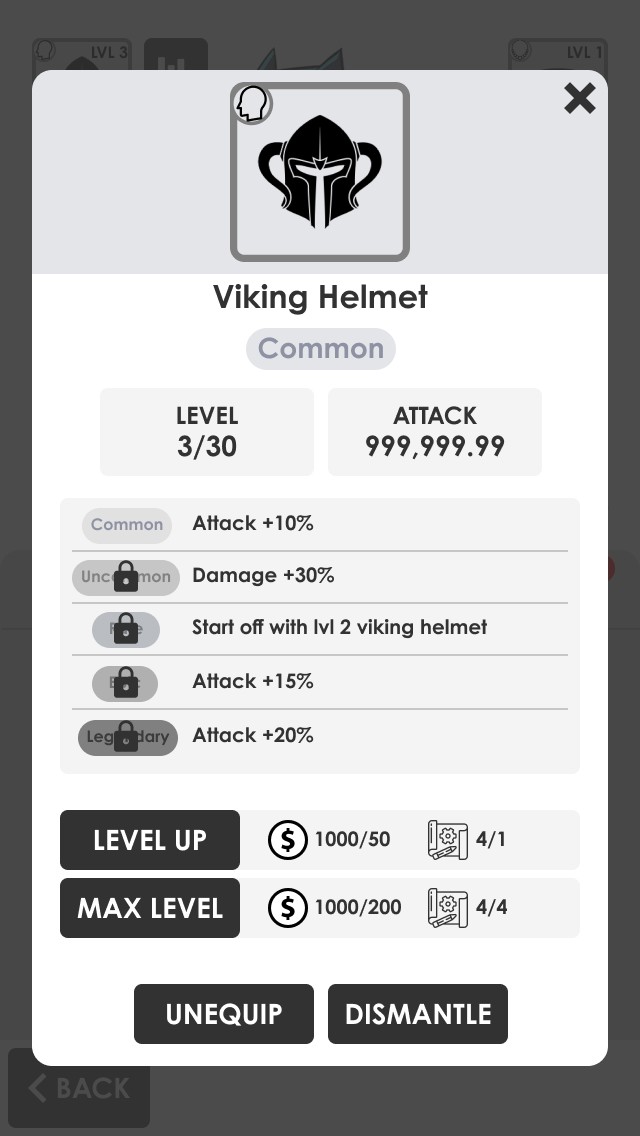
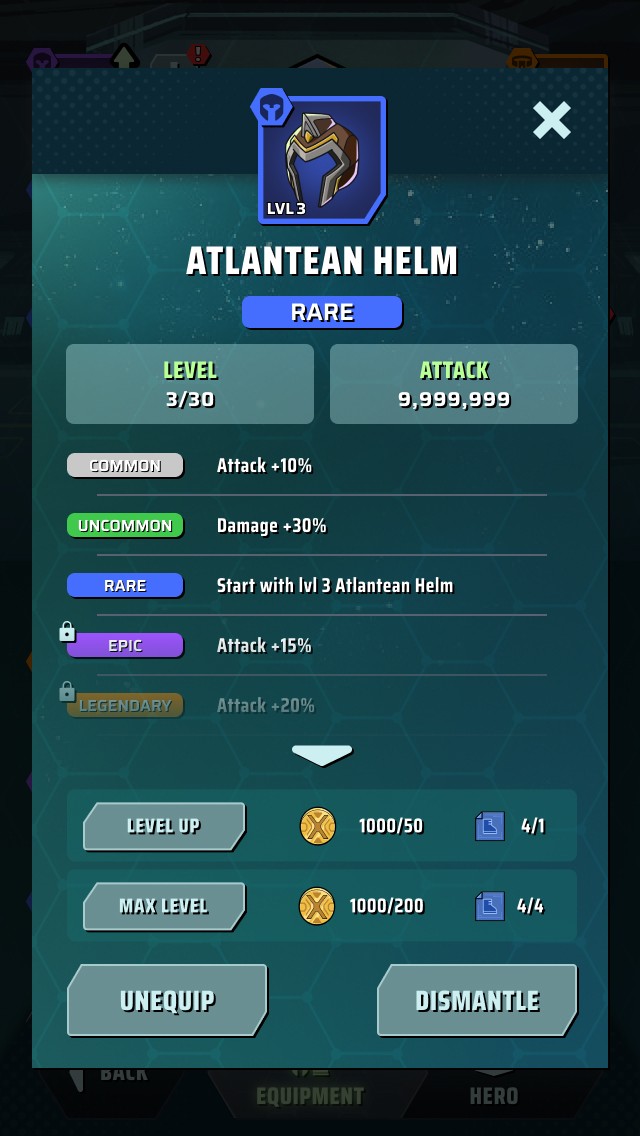
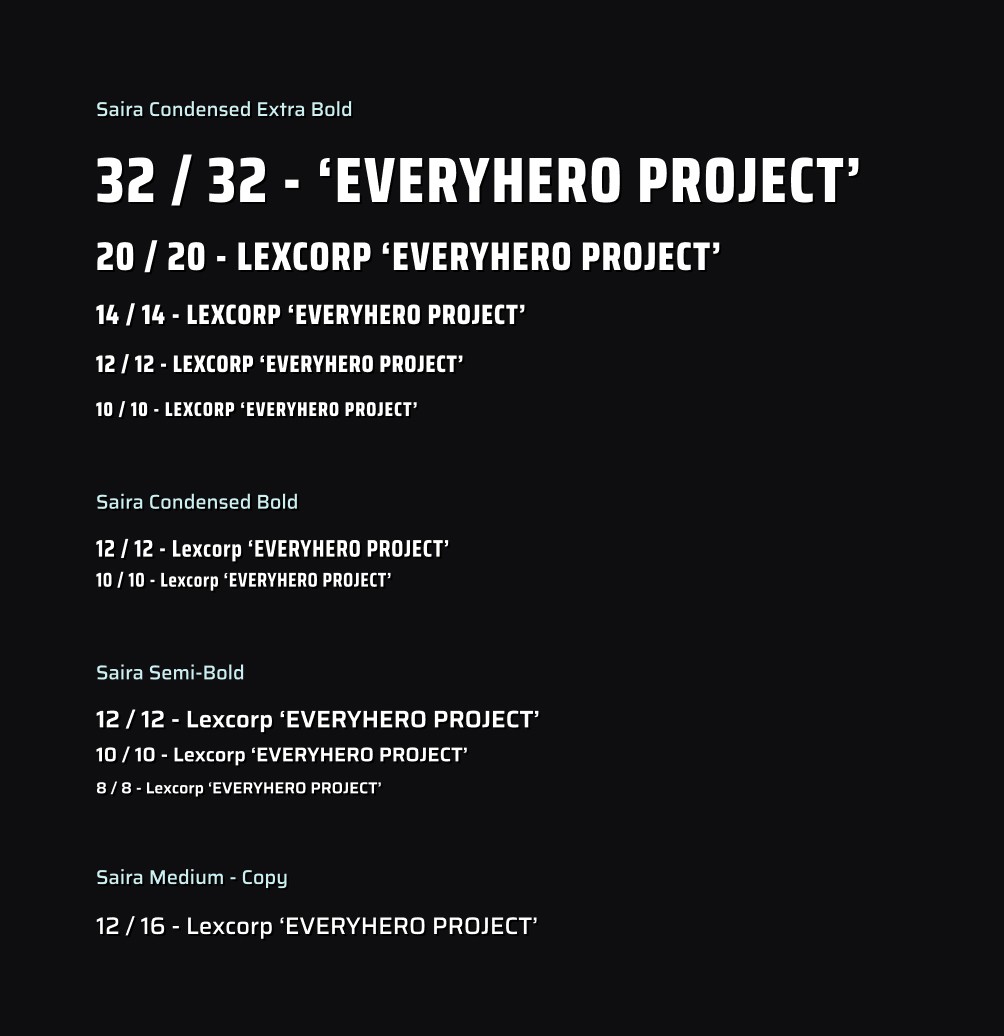
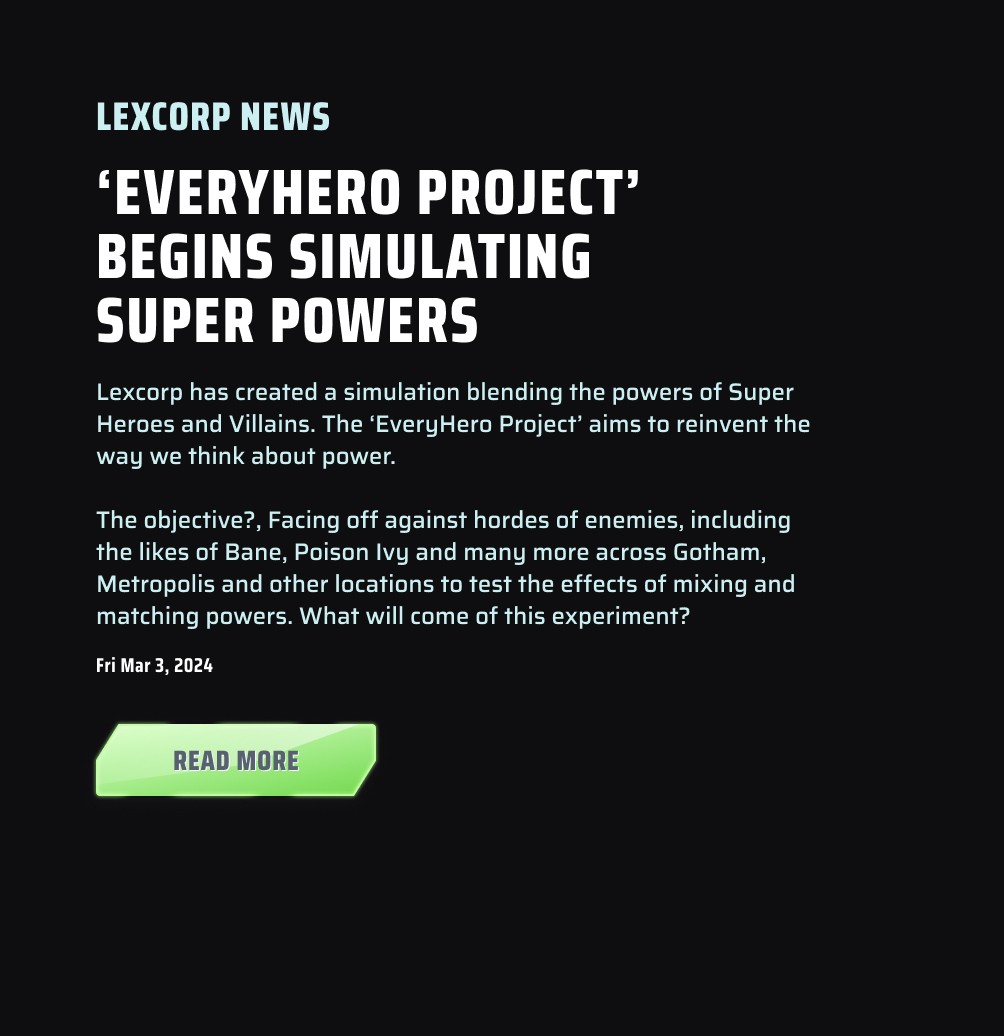
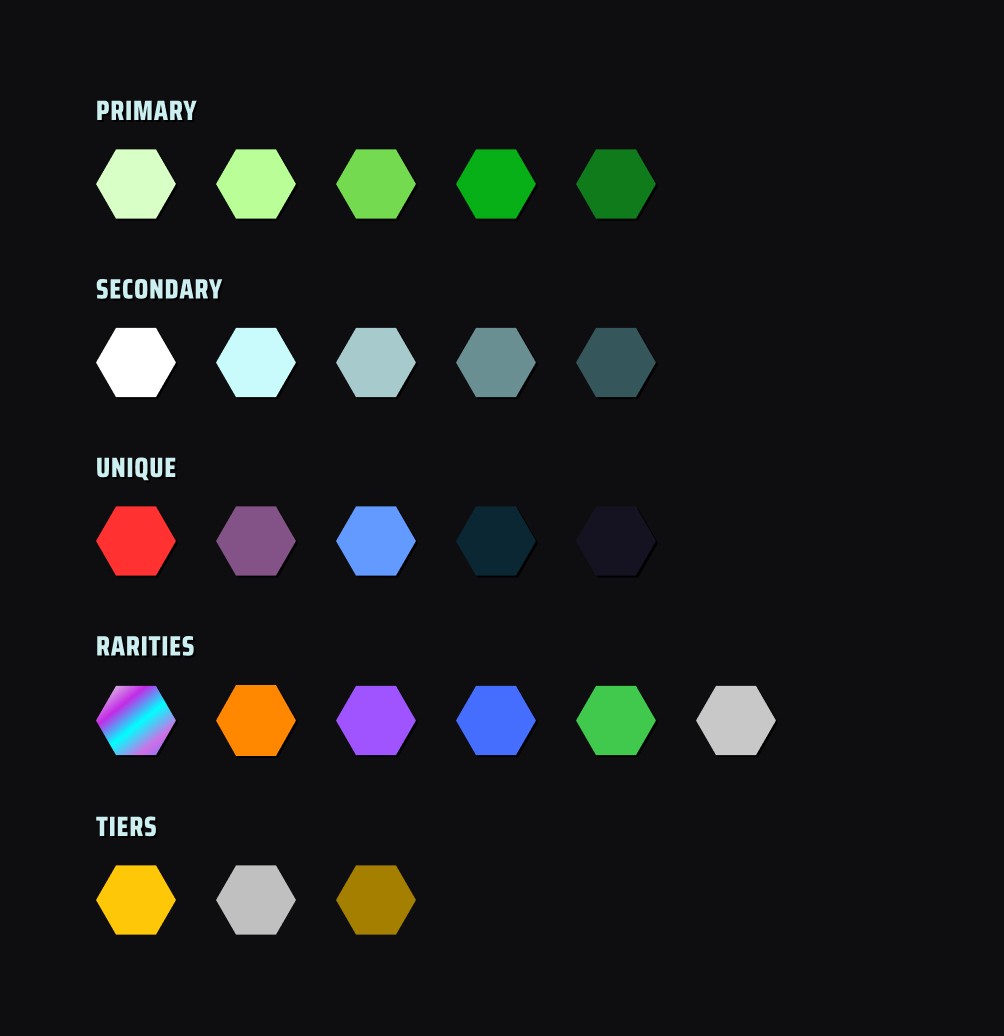
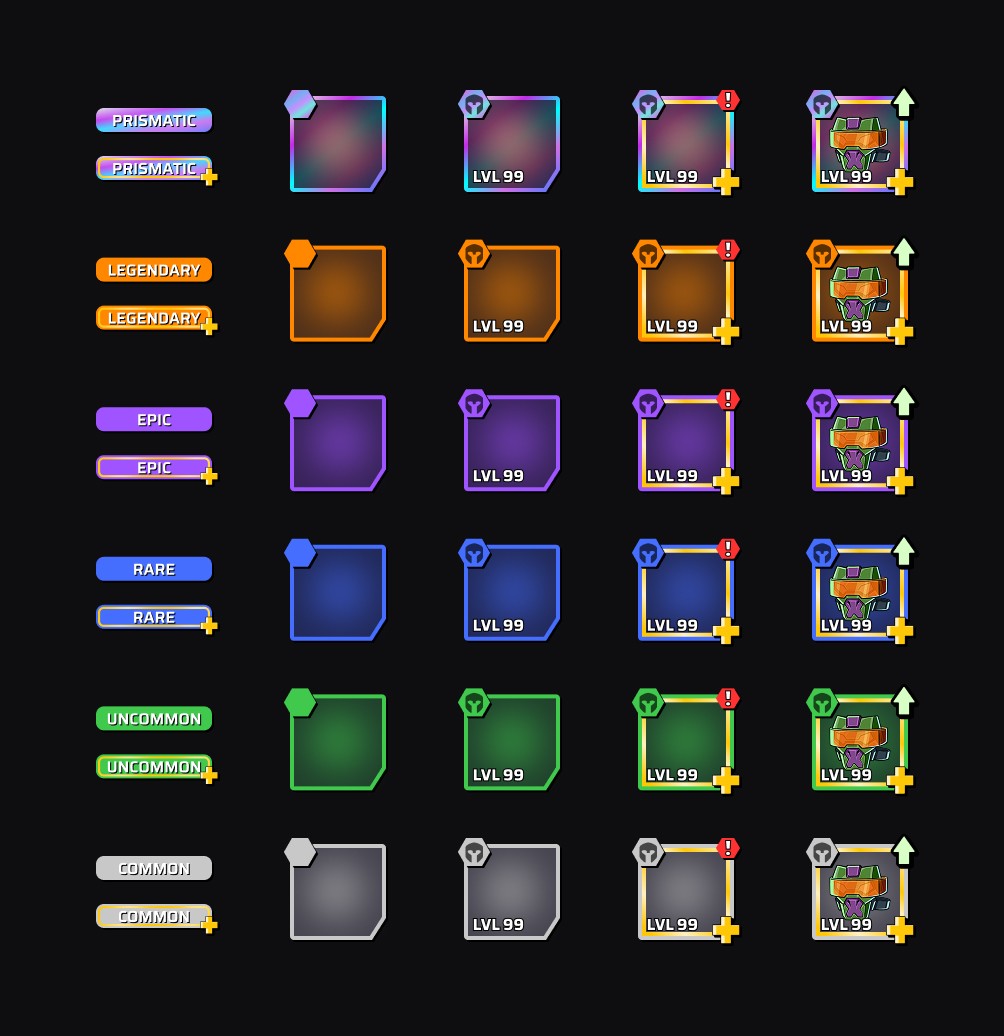
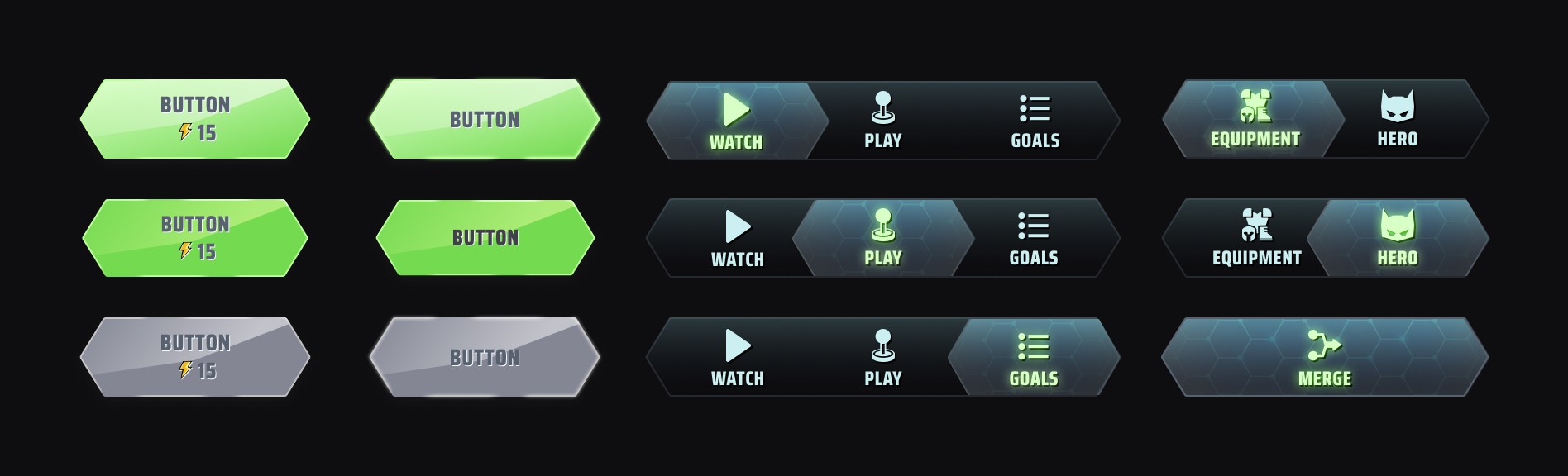
Design Principles
Principles that guided
every decision
Reduce information overload
Players should understand what matters without being overwhelmed, keeping it as simple as possible without losing that Lexcorp feel.
Support live operations
Systems needed to accommodate future content without redesigning the feature, system, or overall experience.
Respect the DC universe / Lexcorp simulation
The interface and art should reinforce the narrative, Lexcorp, and the DC universe.
Reward mastery
As players gained experience, the UI revealed depth without becoming intimidating.
Decisions
Designed to be efficient
and adaptable
Designed for production efficiency
Rather than creating custom solutions for every feature, reusable components and systems allowed the team to support future content with significantly less design, art, and engineering effort.
Prioritized gameplay and optimization over decoration
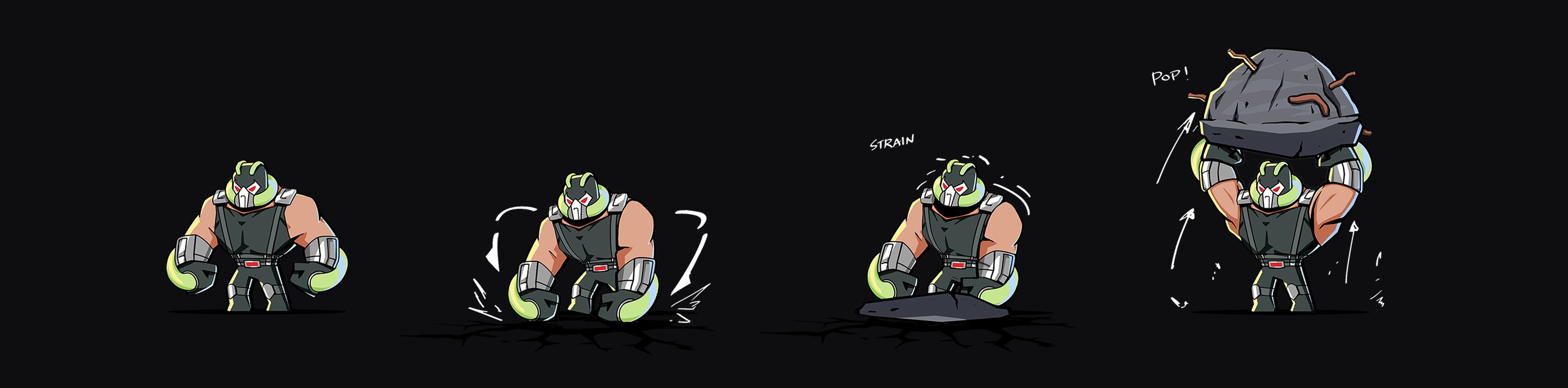
Visual and animation treatments were intentionally restrained during gameplay, ensuring player attention remained on objectives and performance rather than interface fluff.
Simplified character systems and mechanics
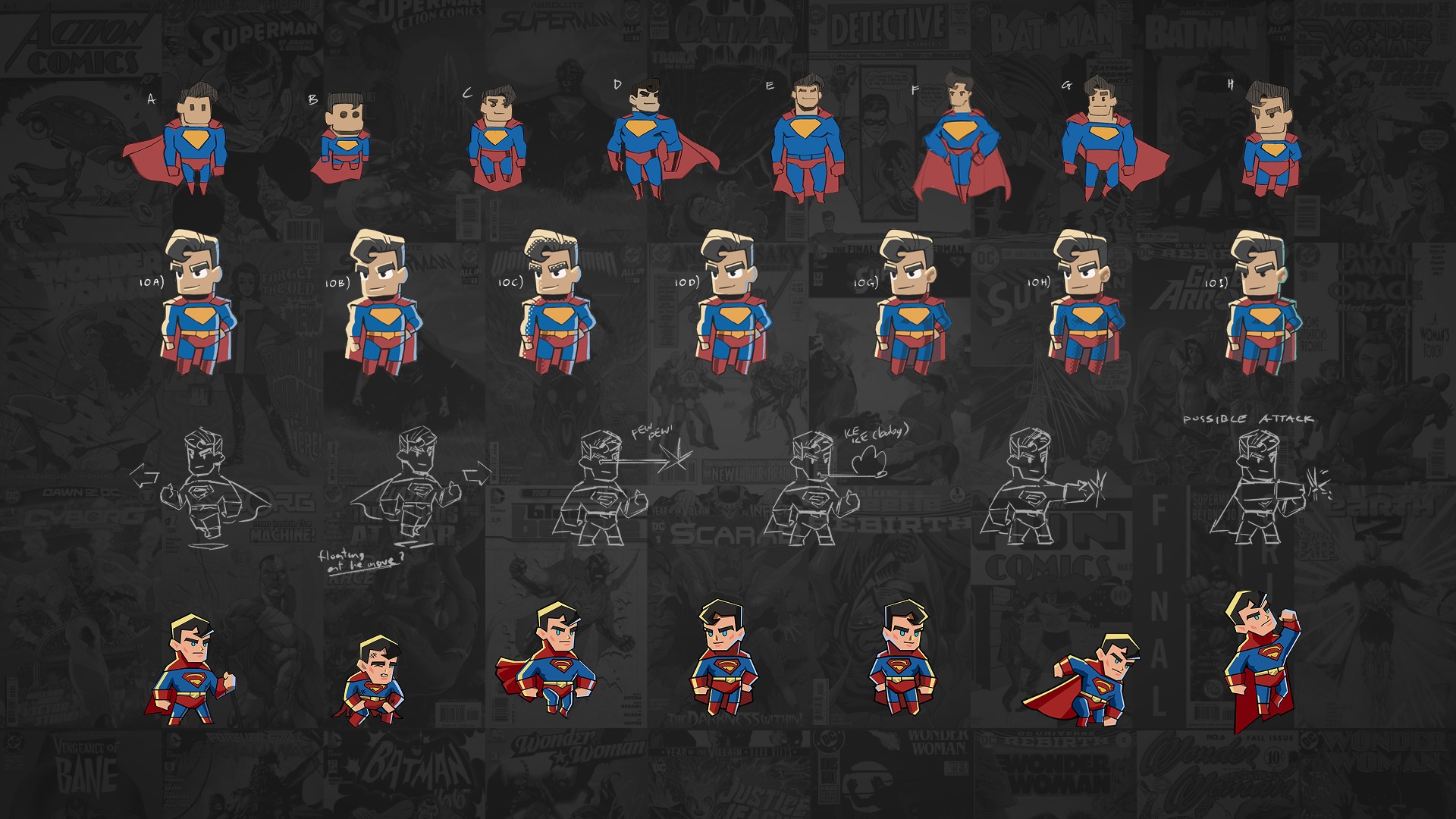
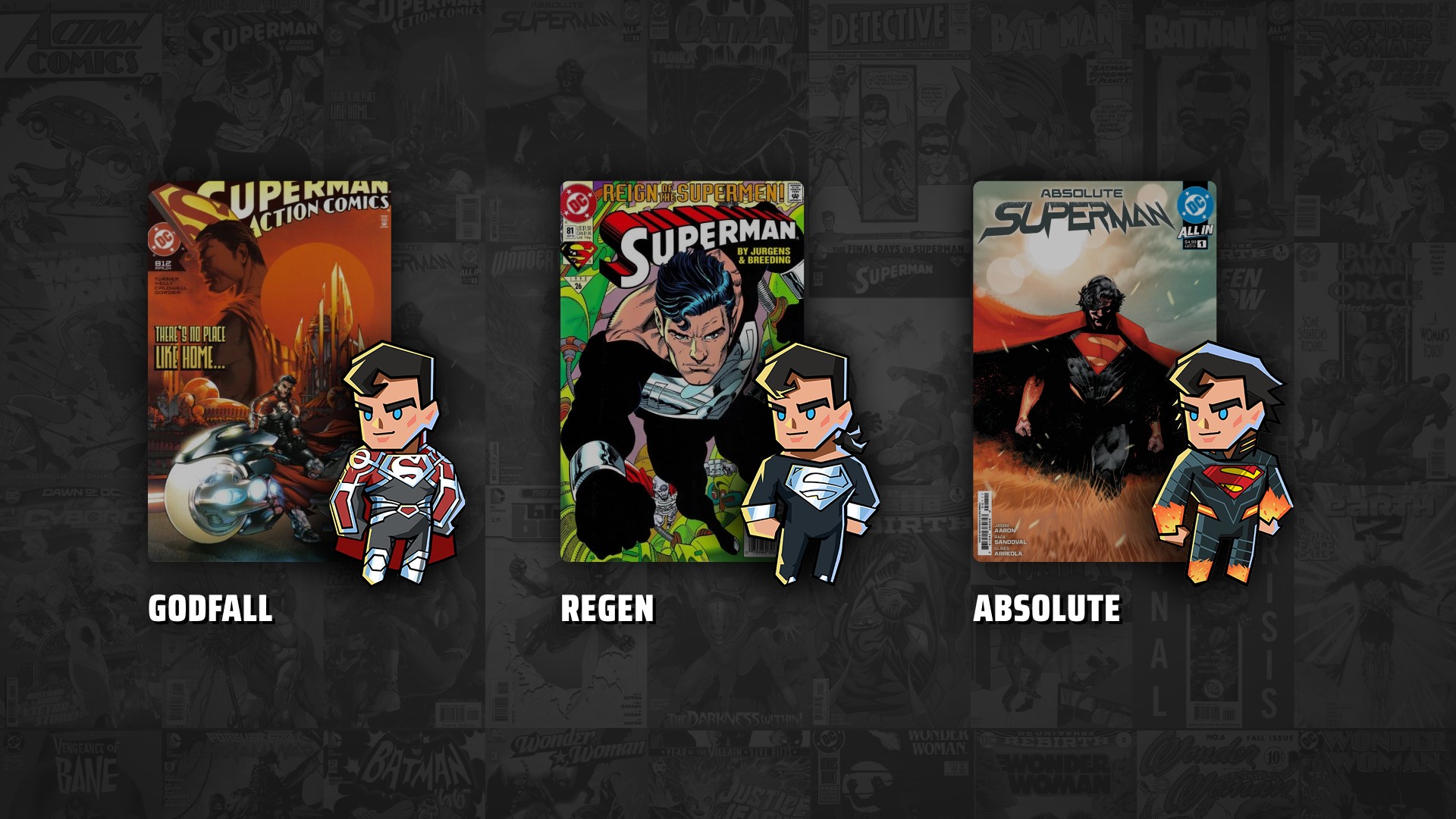
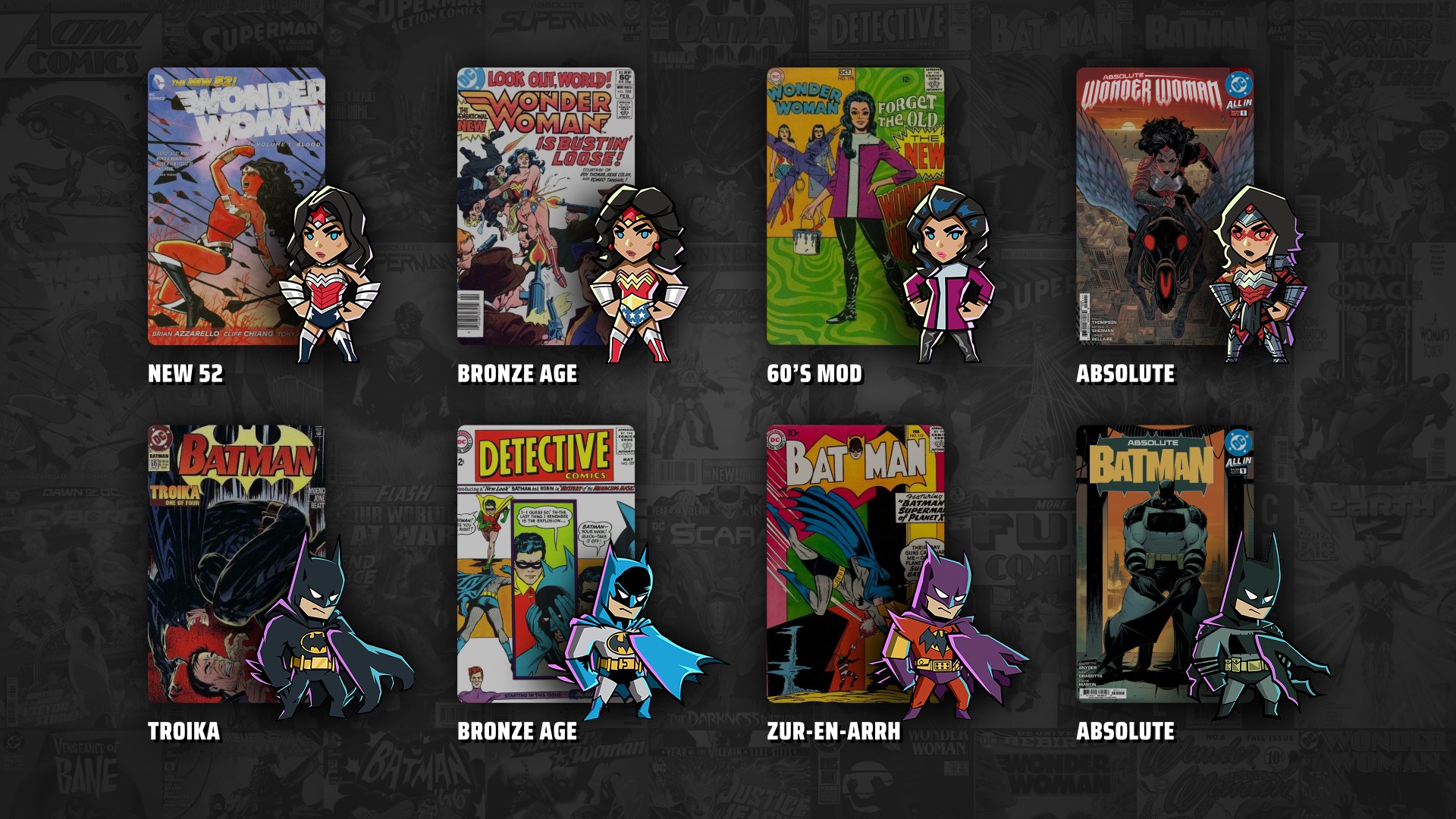
Early character concepts were much more detailed in terms of system mechanics. We reduced complexity in favor of more playable content, standardizing animation, animation states and art poses so characters could be hot-swapped and tweaked instead of custom-made, massively reducing art/animation needs.
Impact
Creating a platform that could evolve
The resulting system enabled the team to ship new features, weekly live-ops heroes, enemies, bosses, and skins content without redesigning the core experience. Reusable systems accelerated production while maintaining consistency across gameplay experiences.
Concept to Ship in 9 Months
Scaled from 3-10 heroes, 3-30 hero skins, 3-15 bosses, 3-15 maps, from launch through 1 year of live-ops
Released on Google Play, App Store, and Epic Games Store with over 1 Million+ Google Play Downloads
4.2/5 App Store Rating
4.0/5 Google Play Rating
TEAM CREDITS
UX/UI Direction
James Lipscomb
Art Direction
Matt Webster
UX/UI Design
Matt Webster • Carlene Bruton
Game Design
Natalie Odien • Edwin Franco
Art
Streamline Studios • Kaoklai Thepchinda
Motion
Matt Webster