SILENT HILL: Ascension
Studio
Genvid Entertainment
Type
Interactive Streaming • Web
Client/Partner
Konami
Role
UX/UI • Motion
Emmy Award
2X Webby Award
The Challenge
Designing an entirely new form of interactive entertainment
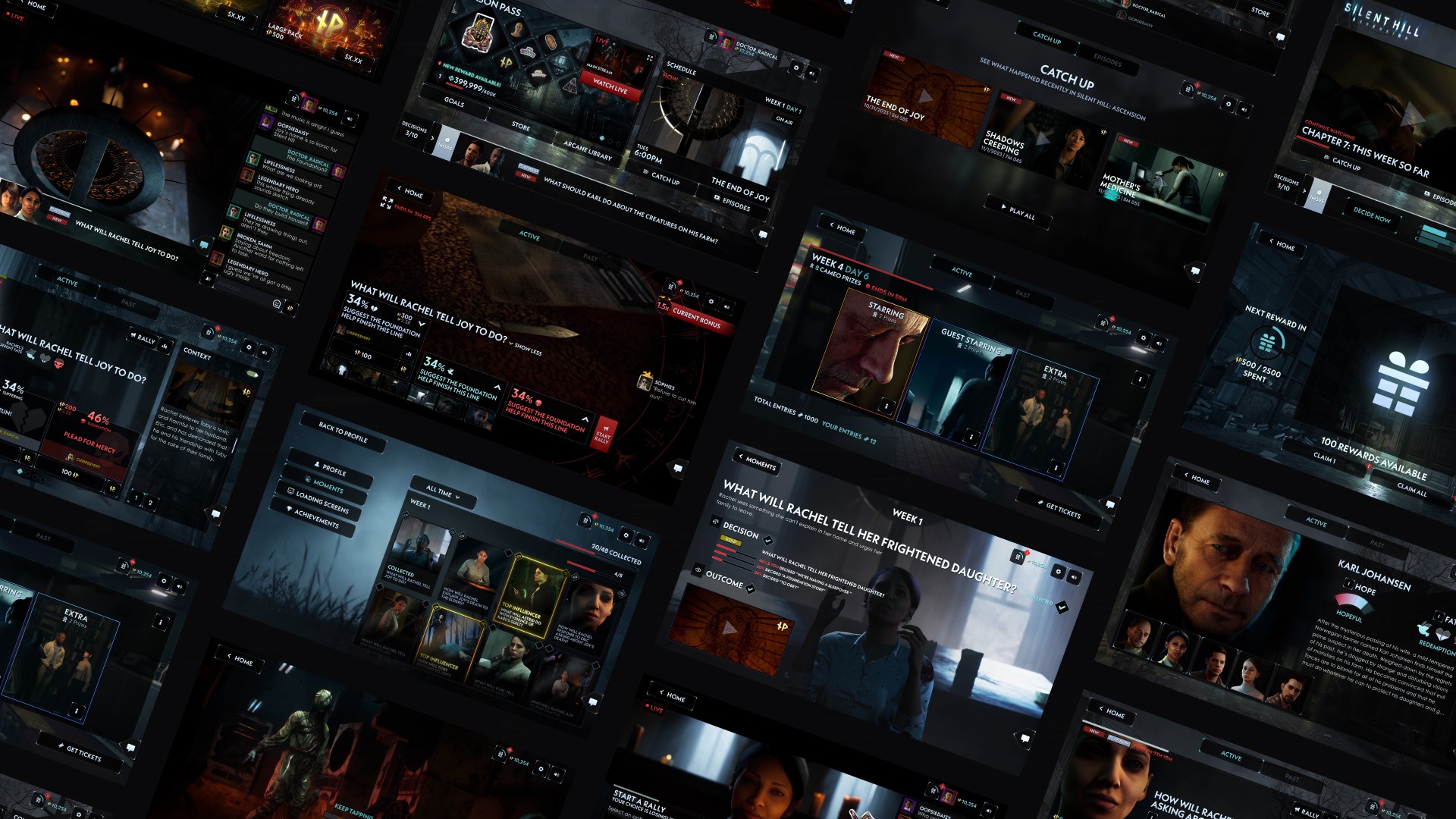
SILENT HILL: Ascension wasn't a game, television series, or streaming platform. It combined elements of all three into a live, audience-driven experience where viewers collectively influenced the story in real time. With few established design patterns to draw from, every interaction had to balance cinematic storytelling, interaction, community participation, and live operations without compromising the tension and atmosphere that define the SILENT HILL franchise.
The product also needed to support players joining at different points in the experience, requiring intuitive systems that welcomed newcomers while providing meaningful progression for an engaged community.
My Role
Shaping the product experience across story, interaction, and community
I owned the product's UX/UI design and UI animation, partnering with engineering, narrative, art, and production teams to define how users discovered, understood, and participated in the evolving experience. I acted as conduit spanning design systems, UX, community features, and multi-user interactions ensuring each interaction supported both player goals and the product's broader narrative vision.
Beyond designing screens and interfaces, I helped establish reusable UX and animation patterns, prototyped new interaction models, created UI and interaction animatics to clarify interactive patterns and collaborated across disciplines to translate creative ideas into scalable product experiences.
Design Principles
Principles that guided every decision
Preserve immersion
Interfaces should support the story without distracting from it, allowing players to remain emotionally connected to the experience.
Design for participation
Interactions needed to encourage and display meaningful audience involvement while remaining approachable for first-time players.
Embrace evolution
The platform was designed to grow over time, requiring flexible systems that could accommodate new content, features, mechanics, and live events as the experience grew without sacrificing consistency.
Respect the franchise
Every interaction needed to reinforce the psychological horror and atmosphere that audiences expected from SILENT HILL.
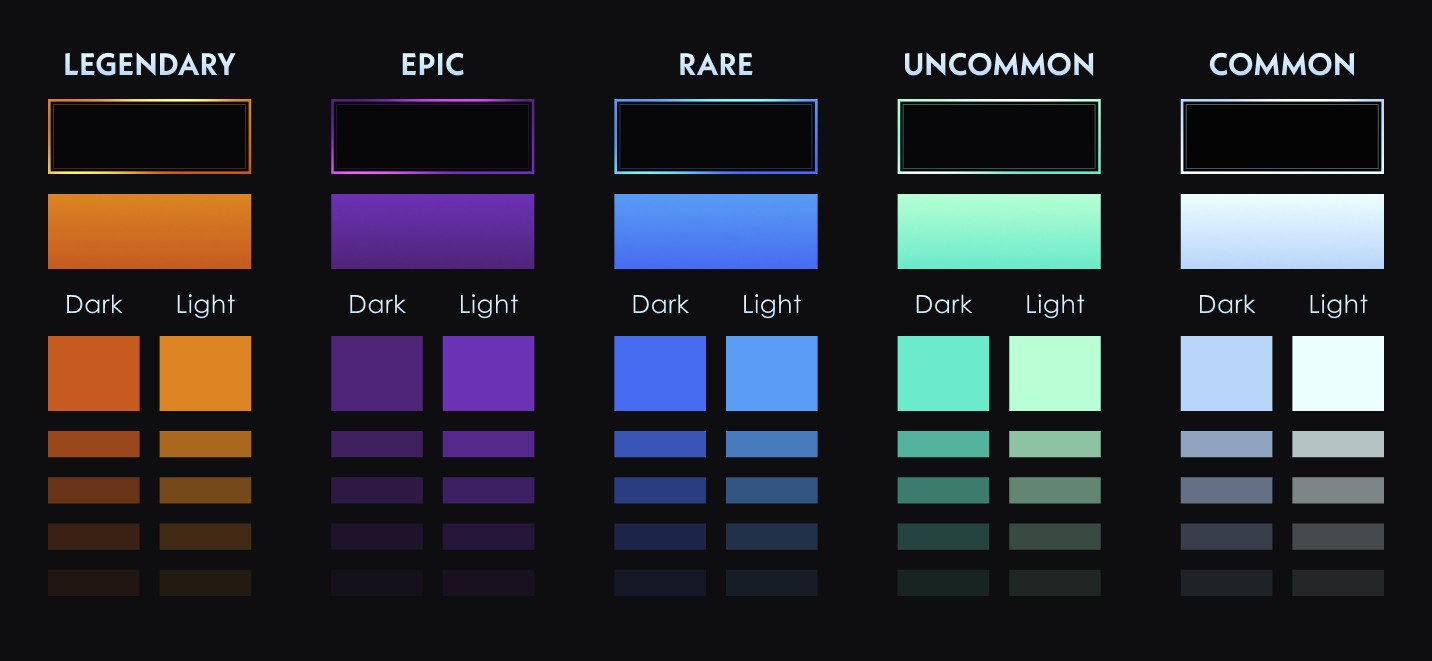
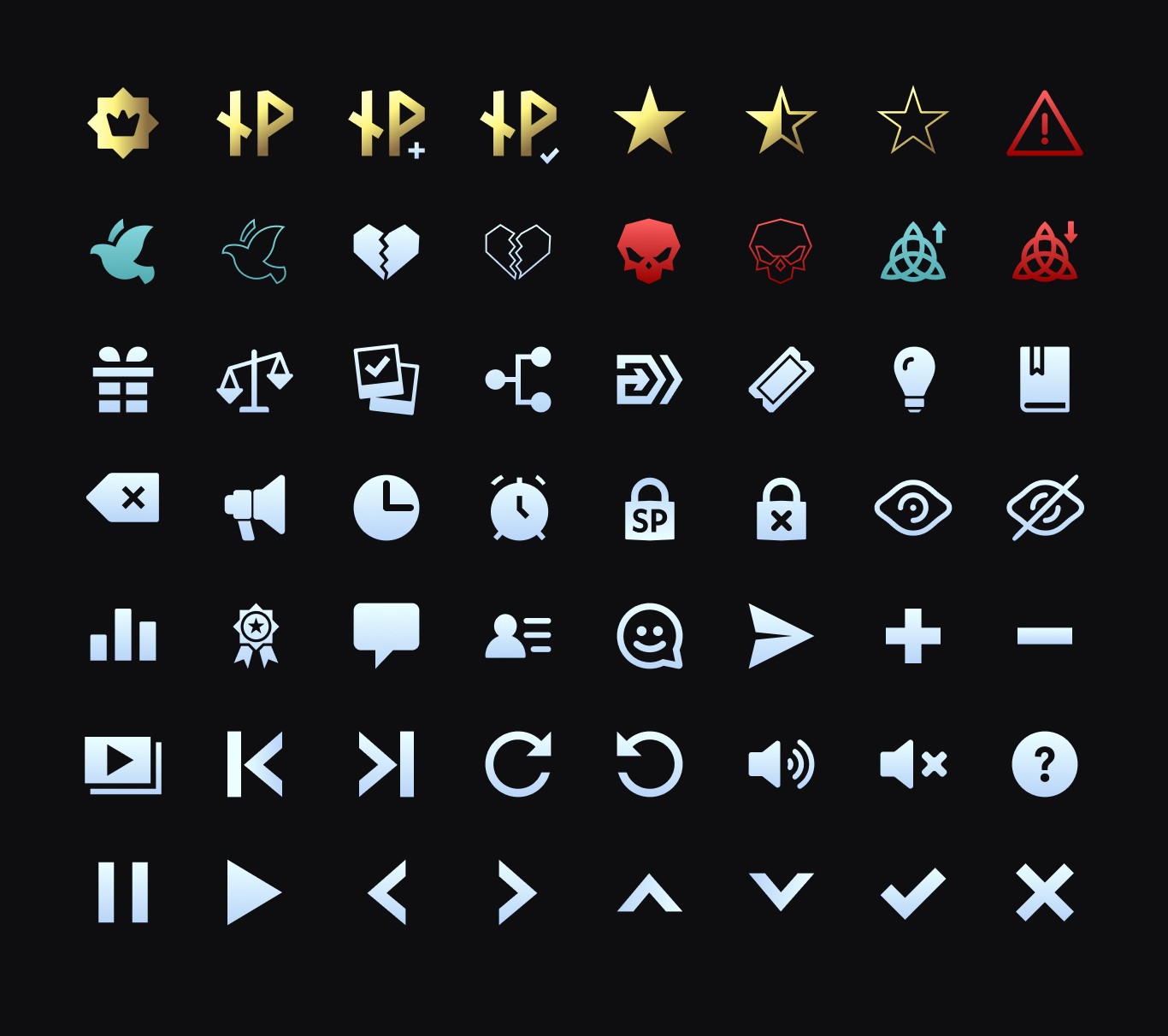
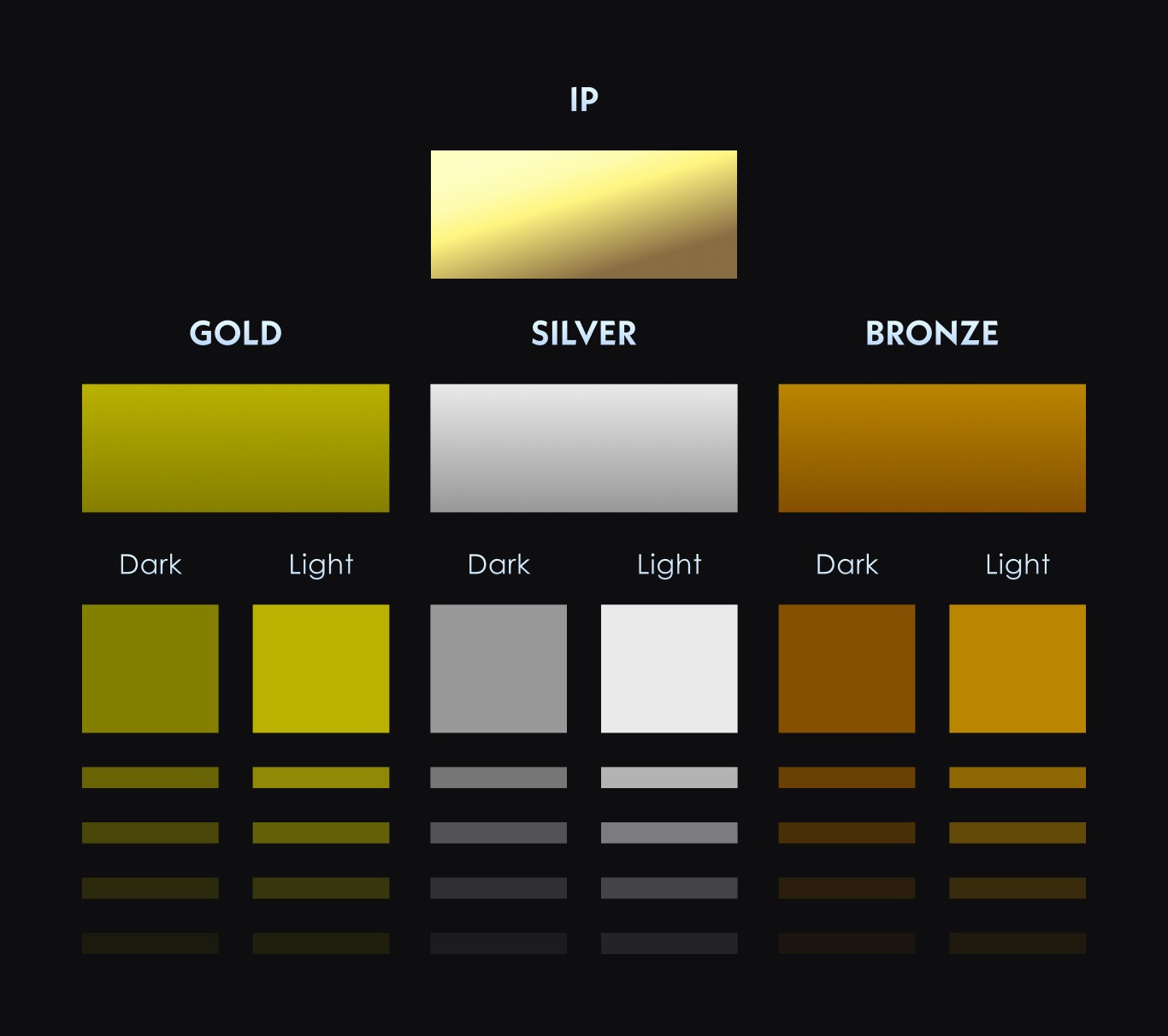
Key Design Decisions
Designing participation without breaking immersion
Designing participation without breaking immersion
Audience interaction was central to the experience, but traditional game UI patterns risked disrupting the cinematic presentation. We explored interaction models that surfaced player choices naturally within the narrative while it was happening live, and passively, allowing participation to feel like an extension of the story rather than an interruption.
Balancing live storytelling with player agency
The product needed to communicate that individual decisions contributed to a "collective outcome" while ensuring players always understood how and when they could participate. Clear feedback, timing, and progression cues helped reinforce agency without overwhelming the experience.
Building systems that could evolve
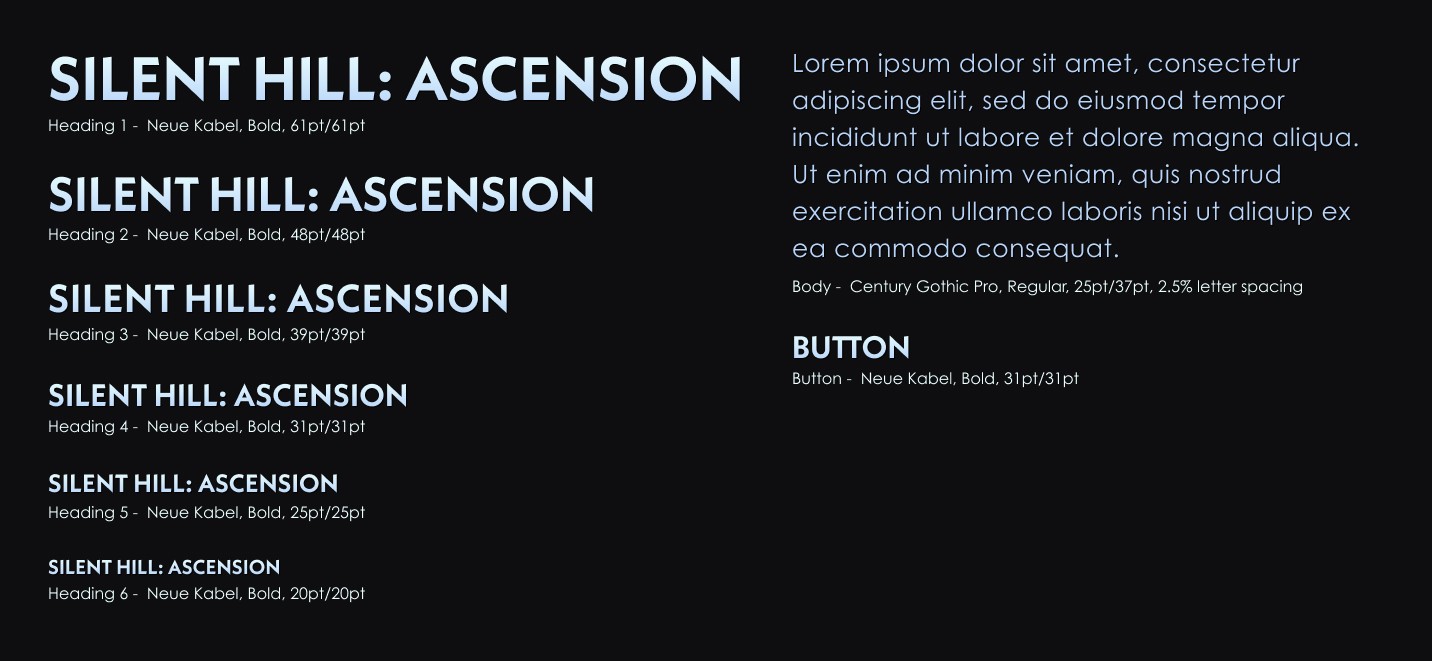
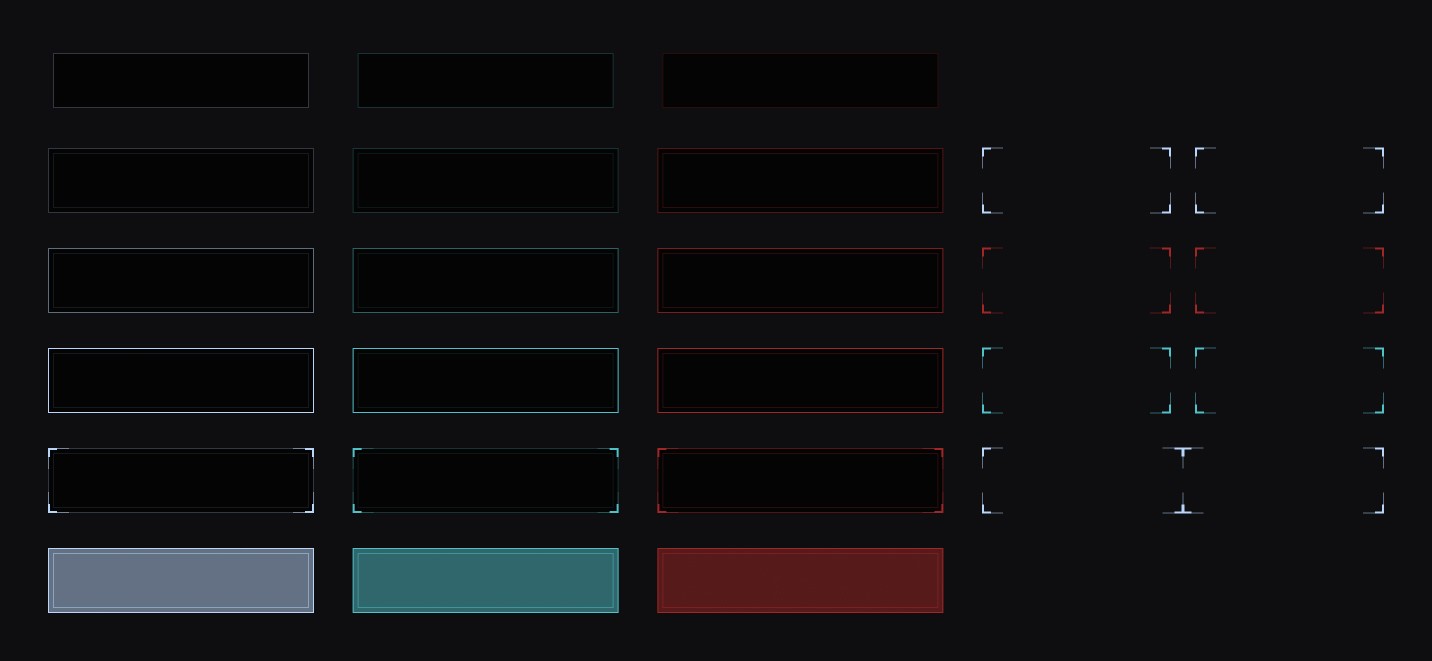
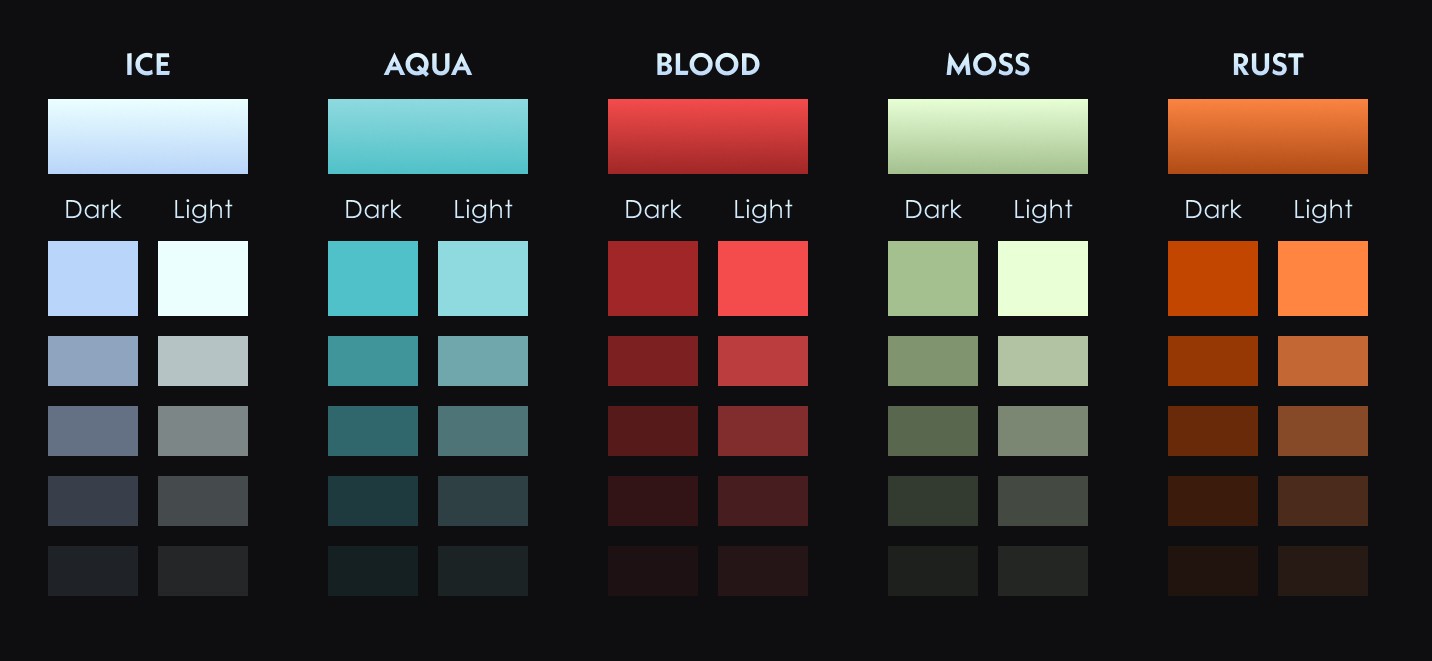
Because the platform continued to expand throughout development and after launch, we prioritized reusable design system patterns and modular UI components over one-off solutions. This created a foundation that could support new features, content, and live events while maintaining a consistent player experience.
Collaboration
Aligning storytelling with
echnical execution
Every feature required close collaboration across narrative, engineering, UX/UI, live operations, and art. Design decisions often involved balancing competing priorities, preserving story immersion, supporting live production schedules in an ambiguous landscape, and delivering intuitive user experiences within evolving technical constraints.
By bringing teams together early through prototypes, workshops, and iterative reviews, we aligned on solutions by testing prototypes before development, reducing ambiguity and ensuring the experience remained cohesive as new features and content were introduced.
Impact
Establishing a foundation for a new category of entertainment
The resulting experience successfully brought together cinematic storytelling, audience participation, and live product systems into a cohesive platform. Reusable interaction patterns and scalable UX frameworks supported the product's evolution throughout production while preserving the atmosphere and identity of the SILENT HILL universe.
The project also demonstrated the value of close collaboration across product, engineering, narrative, and creative disciplines when designing experiences without established conventions.
While not exactly a walk in the park, we tried a lot of unique and experimental ideas, learning from each prototype and improving our process continuously. Given the unique nature of a new product idea, we successfully pulled it off.
Reflection
Innovation can be risky, but also very valuable, regardless of outcome
SILENT HILL: Ascension received a mixed reception from audiences and wasn't a commercial success. It was, however, recognized for its innovation with a Creative Arts Emmy Award and two Webby Awards. I'm proud of what we accomplished from both a design and technical perspective. We built an experience unlike anything I'd worked on before combining live storytelling, real-time audience participation, web technology, animation, and deep systems into a product without an established blueprint.
Ambiguity requires a bit of risk and lot of creative thinking, experimentation and tinkering. I tend to thrive in these environments pulling from my deep and weird experience to design under uncertainty, collaborate across highly interdisciplinary teams, and solve problems where there are no established conventions.
Ultimately, the learnings from SILENT HILL: Ascension were applied to DC Heroes United, taking some things and leaving others from the original model and evolving it.
TEAM CREDITS
UX/UI Direction
James Lipscomb
UI/Visual Design
Matt Webster • Todd Colby • Randy Hyunh
UX Design
Carlene Bruton • Sophie Shao • Melissa Kay
UX/UI Production
Joe Perez
Concept Art
Kaoklai Thepchinda
Animation
Matt Webster